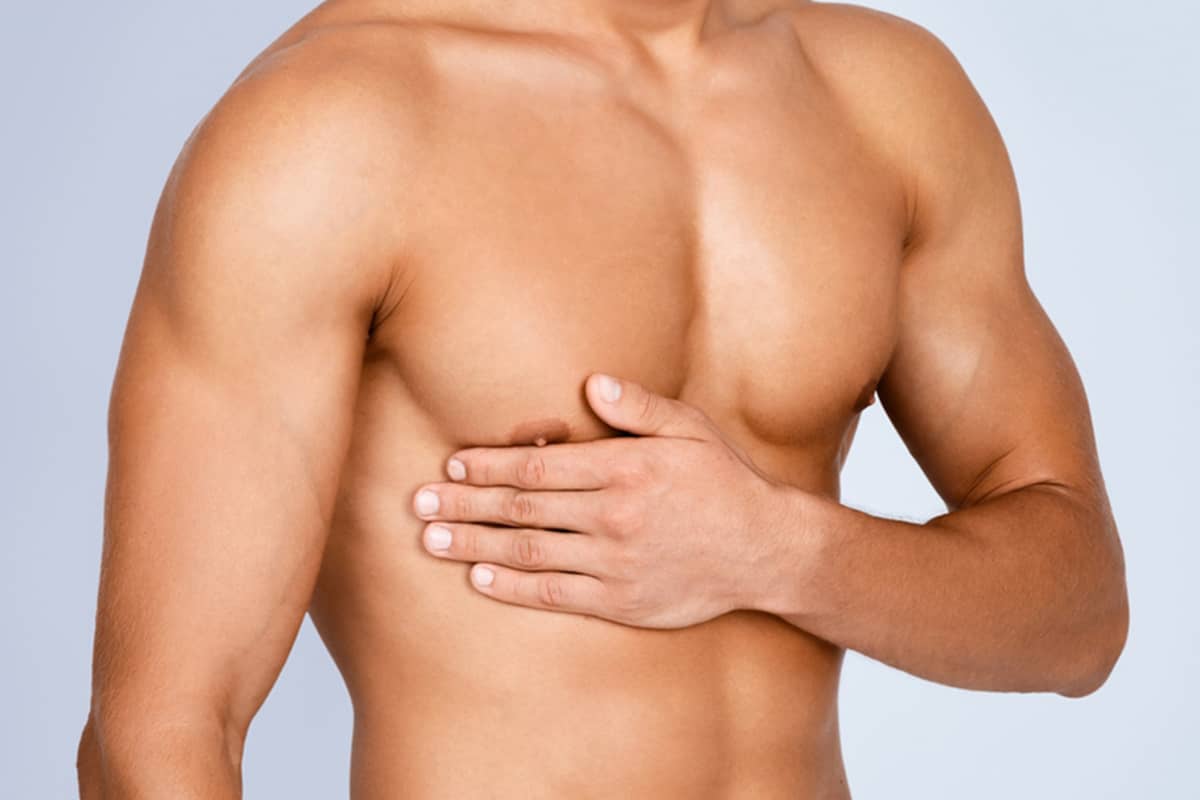
For men considering pectoral implants, the surgery itself is only part of the equation. Understanding the pec implants recovery process — what to expect, when to expect it, and how to support healing at each stage — is just as important as choosing the right procedure.
A realistic picture of the recovery timeline helps patients plan their schedule intelligently, set the right expectations, and arrive at the outcome they came for: a stronger, more defined chest that reflects the effort they’ve already put into their body.
What to Know About Pec Implant Recovery
- Most patients are mobile within days of surgery and can return to desk work within one to two weeks.
- Strenuous activity and chest exercises should be avoided for up to six weeks following the implant procedure.
- Swelling and tightness in the chest area are normal parts of the healing process and gradually resolve over several weeks.
- Following aftercare instructions closely — including compression garments and activity restrictions — directly affects the quality of results.
- Final results from pectoral implants continue to refine for several weeks as swelling subsides and the implants fully settle.
What the Pectoral Implant Procedure Involves
Before walking through the recovery process, it helps to understand what the body is recovering from. Hi-def pectoral augmentation is performed under general anesthesia on an outpatient basis. Dr. Steinbrech creates a small incision in the armpit — leaving no visible scarring on the chest itself — and guides the implant through this opening into position beneath the existing pectoral muscles. The chest muscles hold the implant in place while preserving full muscle function. The same procedure is then performed on the opposite side.
Because the implants sit beneath the muscle rather than on top of it, the chest area requires time to adjust to the new structure. This is the primary driver of the recovery experience: the pectoral muscles adapting to the implants while the incisions heal and swelling resolves.
Pec Implant Recovery Timeline: What to Expect Each Week
Week 1: Rest, Discomfort, and Early Healing
The first week of pec implants recovery is the most physically demanding. Patients typically experience discomfort, swelling, bruising, and tenderness around the chest and armpit incisions. Prescribed pain medication manages discomfort during this period, and rest is strongly recommended. Light movement is fine, but patients should avoid any activity that engages the chest muscles or puts stress on the upper body.
Having a trusted person available to help with daily tasks during the first few days makes a meaningful difference. Lifting, reaching overhead, and anything that stretches or strains the chest area should be avoided entirely during this initial phase of implant healing.
First Week
Week 2: Reduced Swelling and Returning Mobility
By the second week, many patients notice a gradual reduction in swelling and an improvement in overall comfort. Movement becomes more natural, and most men with desk-based or low-intensity professional roles find they are able to return to work. The chest area may still feel tight as the pectoral muscles continue to adapt, but the acute discomfort of the first week typically begins to ease.
Aftercare during this phase remains important — compression garments support the healing tissue and help the chest contour settle properly. Following the surgeon’s instructions precisely at this stage directly influences how clean and symmetrical the final results will be.
The Second Week
Weeks 3–4: Resuming Normal Routine
For many patients, weeks three and four mark a noticeable shift in the recovery process. The body has largely moved through the initial healing phase, and normal daily activities can generally be resumed. Swelling continues to decrease, and the implants begin to feel more integrated within the chest.
Light lower-body exercise may be permitted depending on individual progress, but the chest muscles should still be treated with care. This is not the time to test limits — patients who push too hard too soon risk complications, prolonged swelling, or implant displacement. Consistent follow-up with the surgeon during this period ensures recovery is progressing as expected.
Weeks 3–4
Weeks 5–6 and Beyond: Rebuilding Strength and Seeing Results
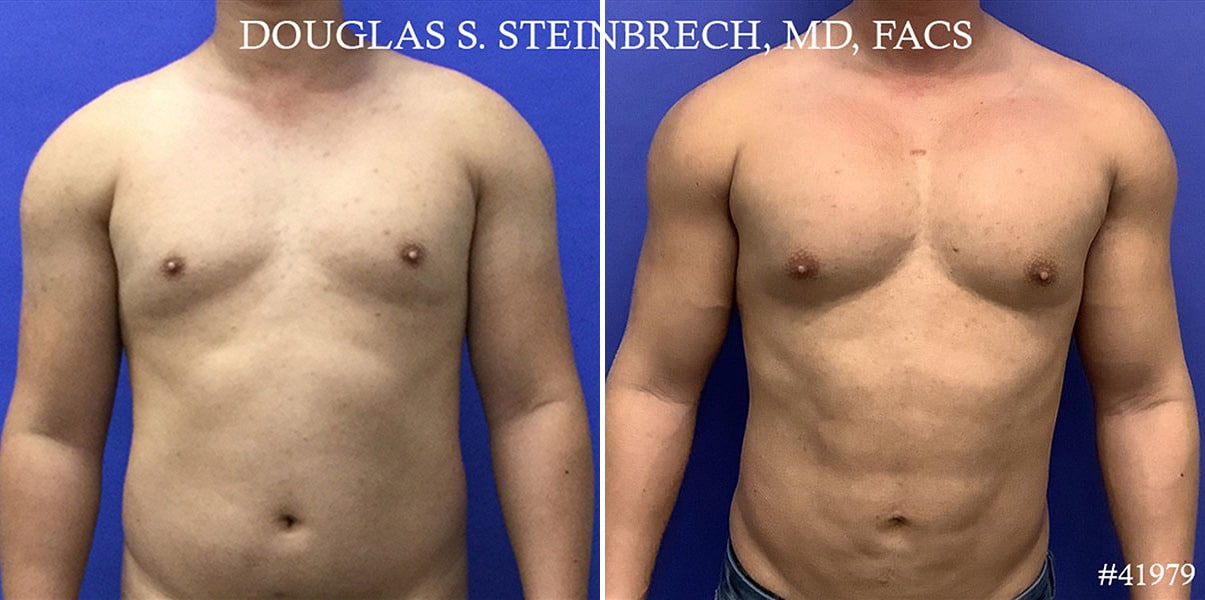
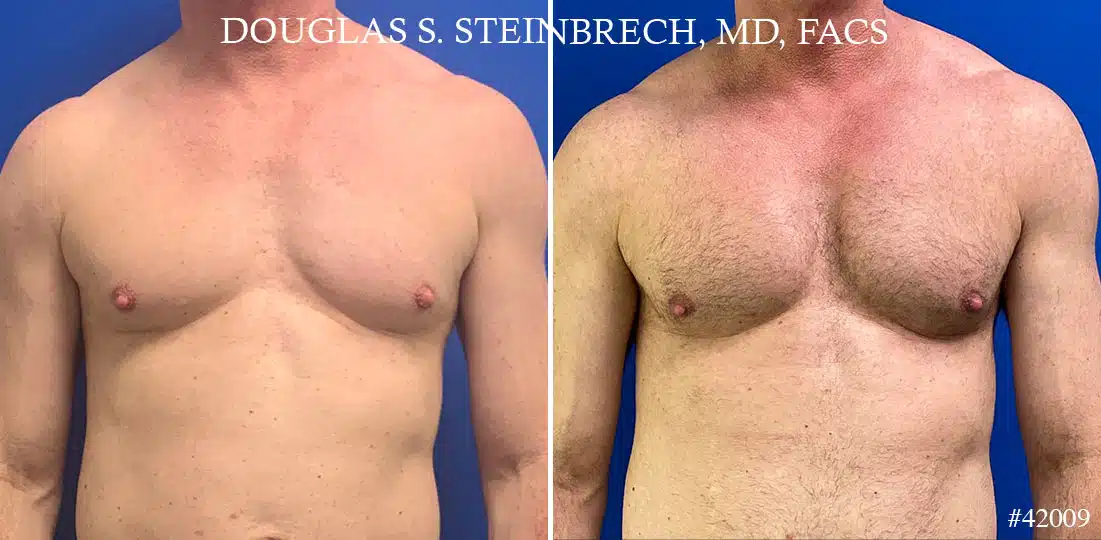
By weeks five and six, most patients are cleared to gradually reintroduce chest-focused activity and strength training. The implant procedure site has healed considerably, and the pectoral augmentation results become increasingly visible as residual swelling continues to resolve. Many men begin to see the chest definition and volume they were seeking, with the full result continuing to refine over the following weeks.
Full recovery — including unrestricted exercise and complete implant settling — is typically achieved within one to two months. Patients who maintain a stable fitness routine and healthy body weight after surgery support the longevity of their results.
Weeks 5–6
How Much Time Off Do You Need After Pec Implant Surgery?
Planning time off appropriately is one of the most practical aspects of preparing for pectoral implant surgery. For men in office or professional roles, one to two weeks away from work is generally sufficient. Physical laborers or men whose jobs involve significant upper-body exertion will need additional time before returning to full professional duties.
Dr. Steinbrech evaluates each patient individually and provides a personalized recovery timeline during the consultation process. Because no two bodies respond to surgery identically, recovery parameters are always discussed in the context of the individual patient’s health, lifestyle, and the specifics of their implant procedure.
What Pec Implant Recovery Actually Feels Like
Patients often describe the first days of pec implant recovery as a feeling of tightness and pressure across the chest. It’s less sharp pain and more a sense that the chest muscles are working hard to accommodate something new. This sensation is entirely normal and reflects the muscle tissue adapting to the implants positioned beneath it.
Tenderness around the armpit incisions is also common, though the incisions themselves are small and heal with minimal scarring. Compression garments reduce swelling, provide support, and contribute to a more comfortable recovery overall. The key to a smooth recovery process is not pushing through discomfort but allowing the body the time it needs to heal properly.

How a Good Candidate Sets Themselves Up for a Better Recovery
Not every man is an ideal candidate for pectoral implants, and candidacy plays a real role in how smoothly the recovery process unfolds. A good candidate for this procedure is generally in stable overall health, maintains a reasonable level of fitness, and has realistic expectations about what the surgery can achieve. Men who are significantly overweight or who have underlying health conditions that affect healing may face a more complicated recovery.
Beyond the physical, the ideal candidate approaches aftercare with the same discipline they bring to training. Following post-operative instructions, attending follow-up appointments, avoiding prohibited activities, and giving the body adequate time to heal are not optional — they are the difference between good results and great ones.

SPECIALIST CARE YOU CAN TRUST
Dr. Steinbrech is supported by a brilliant team of caring staff members. You can trust the entire staff to help make your visit as comfortable and safe as possible! Learn more about Dr. Steinbrech and our Staff.
How Surgeon Expertise Shapes the Pectoral Implant Experience
The skill of the surgeon performing the implant procedure has a direct effect on both the surgical outcome and the recovery experience. Proper implant placement beneath the pectoral muscles, precise incision technique, and appropriate implant selection all influence how naturally the body responds during healing — and how refined the final chest definition appears.
Dr. Douglas Steinbrech is a board-certified plastic surgeon and one of New York City’s most recognized specialists in male body contouring. His practice is dedicated exclusively to male aesthetics, and his approach to pectoral augmentation reflects a deep understanding of masculine proportion, chest structure, and the specific demands of male implant surgery. Patients consistently report results that feel integrated and natural — a chest that looks trained, not operated on.
An experienced plastic surgeon like Dr. Steinbrech will also flag potential complications early and provide clear guidance at every stage of recovery. Risks associated with the procedure — including swelling, infection, and the possibility of implant asymmetry — are minimized through precise surgical technique and thorough post-operative care.
Schedule a Pec Implant Consultation in New York City
If you’re considering pectoral implants and want a clear picture of what the procedure, recovery, and results would look like, a one-on-one consultation is the right first step. Dr. Steinbrech’s New York City practice serves patients throughout Manhattan and the surrounding area, offering both in-person and virtual appointment options.
Contact the office to schedule a consultation. The consultation is where the process truly begins — and where the recovery timeline gets built around you.